Click to invest now

ok.png)
If 2025 felt like white-water, 2026 looks more like a river with a few rapids: navigable with the right plan. The latest industry outlook points to three themes investors should care about: a real supply reset, demand that depends on confidence and jobs, and operations that win or lose on resident experience.
We only complete in 2026 what started in 2025 or earlier—and starts have plunged. That’s why completions are projected around 300,000 units in 2026, roughly half the 2024 peak and below pre-COVID norms. Translation: in many metros, the competitive pressure that weighed on occupancy and pricing is set to ease. Notably, Houston already shows supply dropping below pre-pandemic norms, with Dallas and Atlanta expected to get there in the first half of 2026. Tampa may lag until 2027.
Investor takeaway: As the supply wave recedes, the advantage shifts to existing, well-located communities—especially renovated Class B that prices under new Class A. Buying below replacement cost compounds the benefit.
Forecasting demand is harder. The outlook frames two paths:
➤ Upside: If consumer confidence firms and the job market stabilizes, vacancy should improve and occupancy rebounds, with room for rent growth (especially as concessions burn off).
➤ Downside: If confidence weakens and hiring slows, new-lease demand stays muted, concessions linger, and the theme becomes “get full, stay full.”
Either way, absorption will likely step down from 2025’s near-record pace simply because there will be less new supply to absorb. That’s not necessarily bad if supply falls faster than demand, which is the expectation in many markets.
Investor takeaway: Underwrite conservatively, and prioritize operational excellence over macro heroics.
In improving submarkets, concession burn-off alone can lift effective rent—a factor many forecasts underplay. But there’s also a watch-out: after years where renewal rents often outpaced new-lease rents, some owners could face inverted rent rolls (advertised new-lease rents < current renewal asks), pressuring renewal pricing even when residents can afford it. Smart pricing strategy at the unit-level matters.
Investor takeaway: Focus on renewal capture and clinical pricing (not blanket increases). The goal is steady occupancy and rising effective rents as concessions fade.
Residents expect convenience and clarity. Owners talked a lot about tech and process in 2025; 2026 is about making it tangible:
➤ Resident-first execution: Use AI/automation where it removes friction (screening, collections, communications), but keep a human at the right moments.
➤ Pet-forward advantage: Communities that genuinely welcome pets—with clear intake, consistent policy, and useful amenities—see faster leasing and better retention.
➤ Centralized ops: Unifying technology and processes across a portfolio cuts noise for staff and residents, reduces errors, and speeds decisions.
Investor takeaway: The 2026 edge is execution—turning “stack” into results and experience into NOI.
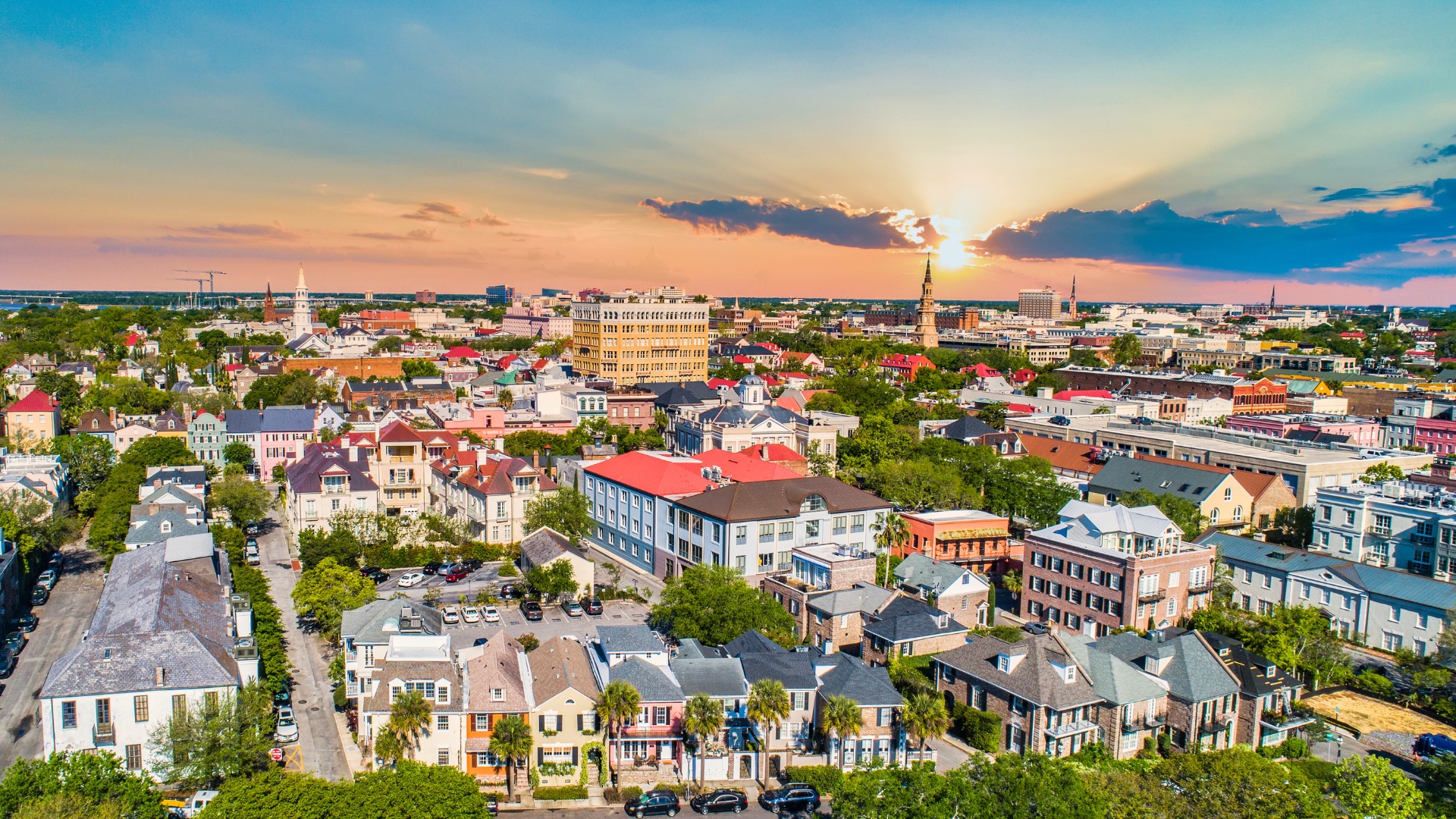
We focus on value-add apartments in Dallas–Fort Worth, Houston, Atlanta, Tampa, and Charleston. Why these? The supply picture is improving on our timeline (Houston now; DFW/Atlanta in the first half of 2026), and each metro offers diverse job drivers and deep renter pools. Our playbook:
➤ Buy below replacement cost to create an inherent margin of safety.
➤ Upgrade livability: kitchens, durable flooring, lighting, smart access, pet spaces, package solutions, plus site lighting and landscaping.
➤ Operate for renewals, not giveaways: clean, well-lit communities; responsive maintenance; transparent fees; clinical pricing to avoid inversion traps.
➤ Conservative leverage & multiple exits: no “hope” in the model; hold/refi/sell based on data, not headlines.
➤ Delayed demand rebound: We underwrite to slower lease-ups and keep capex targeted to what residents value most.
➤ Sticky concessions: We model burn-off conservatively and prioritize renewal capture over chasing new-lease volume.
➤ Operational complexity: We centralize processes and reporting so on-site teams spend time serving residents, not wrestling systems.
2026 looks like the transition year many operators have been waiting for: less new supply, manageable (if choppy) demand, and clear operational levers that translate straight to NOI. For investors, that’s a setup where buying well and operating well can do the heavy lifting.
👉 If you’d like to be added to our investor list to see future opportunities like this one, please schedule a call with our team.
.png)

gbtr.png)

mj.png)
nh.png)

klo.png)
_war.png)
mkj%20(2).png)


ggj.png)
p.png)

-n%5D.png)